
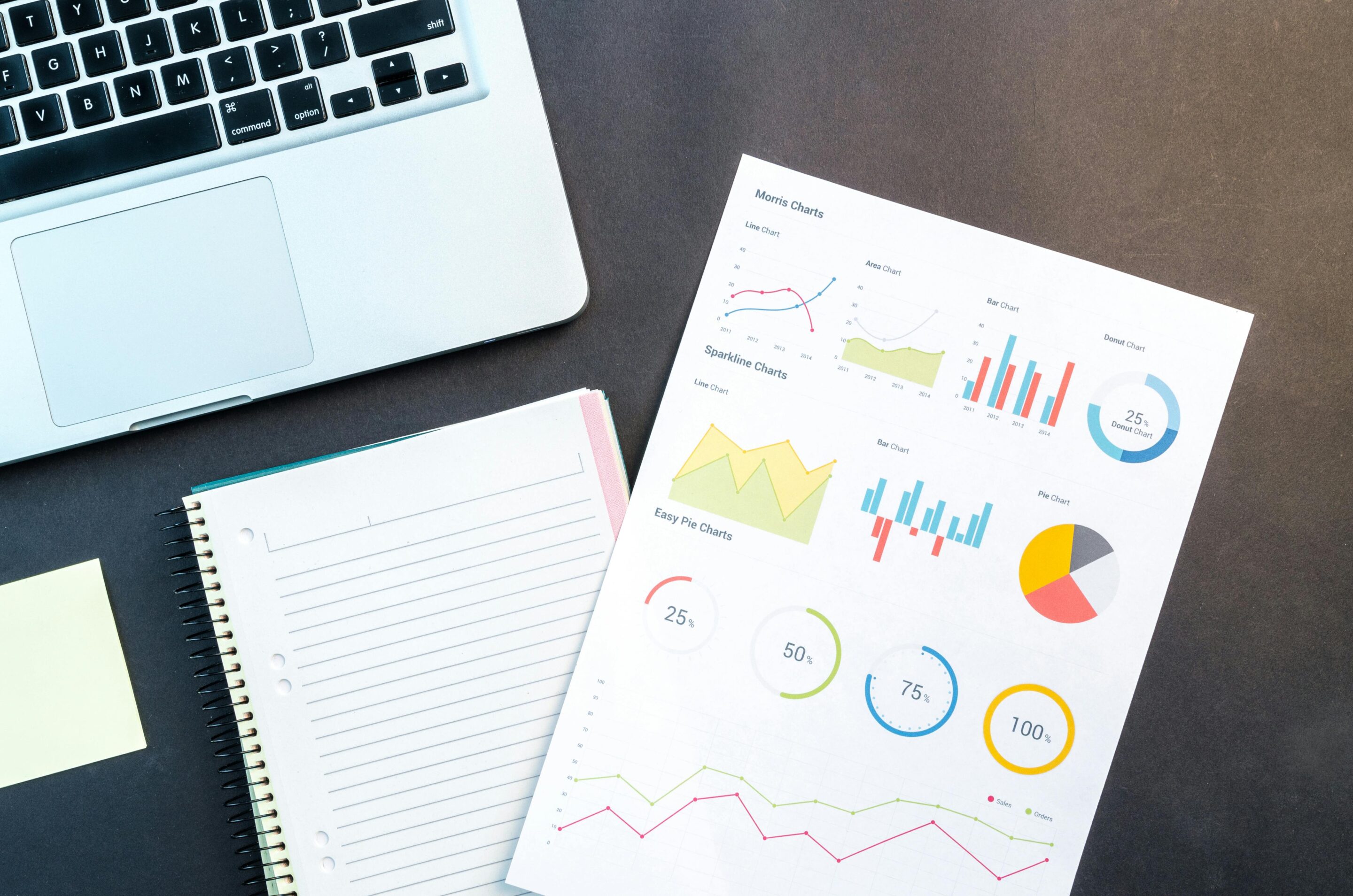
Running a small business in Australia requires more than passion and a good product/service. The businesses that grow sustainably are the ones that understand their numbers and use them to make informed decisions.
Effective budgeting, forecasting, and reporting are not just accounting tasks; they are essential tools for cash flow management, strategic planning, and long‑term success.
Below we’ll unpack why these three financial pillars matter so much, how they work together and what every small business owner should be doing to stay ahead.
Why Budgeting Matters for Small Businesses
A budget is the financial roadmap for your business. It outlines what you expect to earn, what you plan to spend, and how much profit you aim to generate. While it sounds simple, many small businesses either don’t create a budget or leave it sitting untouched.
Here’s why budgeting is so important:
- Provides clarity and control
A well‑structured budget gives you visibility over your income streams, expenses, and financial commitments. This makes it easier to manage cash flow—still the number one reason small businesses fail in Australia.
- Allows you to plan for growth
Whether you want to hire staff, upgrade equipment, or expand your services, you need to know whether the business can afford it. A budget helps you model these decisions before committing financially.
- Highlights potential cost‑saving opportunities
Tracking expenses against your budget quickly shows where costs are creeping up, allowing you to address issues before they become serious.
- Ensures compliance and preparedness
A clear budget helps you stay ahead of GST obligations, BAS lodgements, and tax planning—issues that frequently cause stress for small business owners.
The Role of Forecasting in Strategic Decision‑Making
Where budgeting looks at expected income and expenses, forecasting focuses on predicting future performance based on real data and trends. Forecasts are updated throughout the year, making them a powerful tool for decision‑making.
- Forecasting helps you anticipate cash flow gaps
Slow months, seasonal trends, or delays in customer payments can put pressure on your finances. A good cash flow forecast gives you advance notice so you can plan accordingly—whether that’s adjusting spending, changing payment terms, or taking proactive action.
- It strengthens your ability to adapt
In a market affected by rising costs, interest rate changes, and economic uncertainty, forecasting allows you to pivot early instead of reacting too late.
- It supports smarter business decisions
Forecasts can help you evaluate questions like:
- Can we afford to take on a new staff member?
- Will this marketing campaign generate enough return?
- Do we need to adjust pricing to maintain margins?
This is especially important in service‑based industries where capacity, labour, and time directly affect revenue.
- It increases lender and investor confidence
Banks and lenders often require updated financial forecasts before approving loans. Being prepared puts you in a stronger negotiating position.
Why Regular Reporting Is Essential
Budgeting and forecasting mean nothing without regular reporting. Reporting is how you measure your business’s performance and compare it to your goals.
- It keeps your finger on the pulse
Monthly or quarterly reporting helps you monitor key metrics like:
- Revenue growth
- Profit margins
- Operating expenses
- Debtor and creditor balances
- Cash flow movement
These reports provide early warnings when something is off track.
- It allows for better accountability
Reporting helps business owners—and their teams—see the impact of decisions. It keeps everyone focused on financial goals.
- It ensures compliance and reduces end‑of‑year stress
Accurate reporting throughout the year makes BAS, GST, and tax planning significantly easier. Instead of scrambling at year‑end, you’re already organised.
- It supports continuous improvement
Reporting shows you what’s working—and what’s not. With this information, you can adjust processes, pricing, staffing, and spending to improve profitability.
How These Three Elements Work Together
While budgeting, forecasting, and reporting are valuable on their own, the real power comes when they’re used together:
- Your budget sets your financial expectations.
- Your forecast adjusts those expectations based on real performance.
- Your reporting measures progress and provides insights.
This creates a loop where financial data continuously informs smarter business decisions.
When small business owners embrace this cycle, they experience:
- Better cash flow control
- Stronger profitability
- Clearer planning
- Reduced financial stress
- More confident decision‑making
The Biggest Mistake Small Businesses Make
Many business owners think they “don’t need” budgeting or forecasting because they’re too small, too busy, or “not good with numbers.” But in reality, the strength of your financial processes often determines how quickly and sustainably your business grows.
The businesses that struggle often:
- Don’t monitor cash flow
- Rely on gut feelings
- Don’t track performance regularly
- Only see financial data at tax time
- Have no plan for revenue dips or cost increases
The good news? You don’t need to be a finance expert to get this right—you simply need the right structure and support.
Final Thoughts
Budgeting, forecasting, and reporting aren’t just accounting exercises—they’re essential tools for strategic decision‑making. For small businesses across Australia, they can be the difference between surviving and thriving.
If you’re ready to improve your financial clarity and make smarter business decisions, implementing these three core processes is the best place to start.